MEAL PLANS MADE FOR:
ENDO, ADENO, PMOS & PERI/MENOPAUSE
Your body isn't broken.
It's asking for different food.
Synora syncs delicious, anti-inflammatory, gluten-free meals to your cycle — or your stage of life — so food finally works with your endometriosis, adenomyosis, PMOS, perimenopause or menopause, not against it.
Take the 60-second check-inFree 60-second check-in, no card needed · then a 7-day free trial · cancel anytime
This is the actual app
No mockups — real screens from Synora, exactly as they look on your phone.
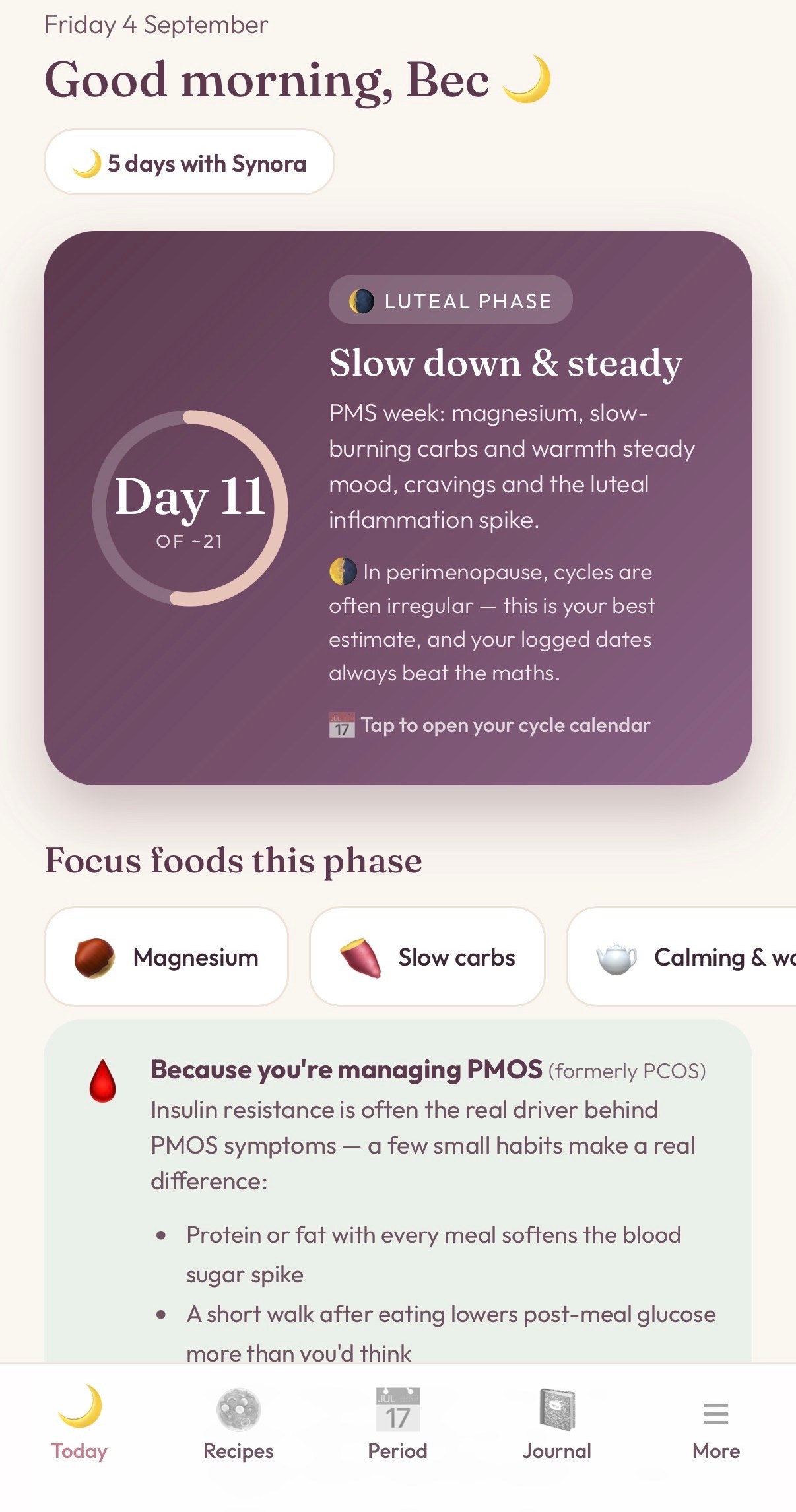
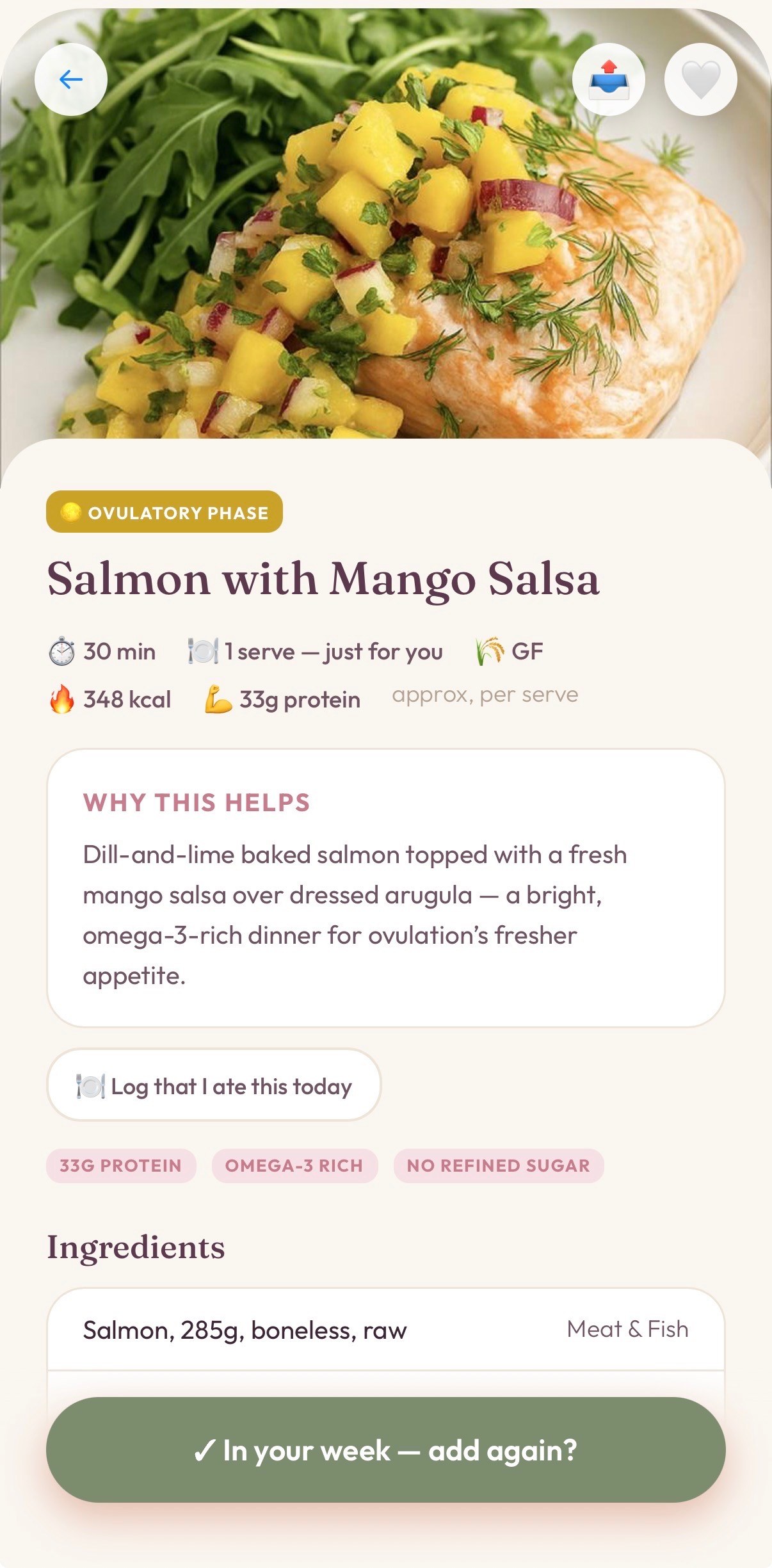
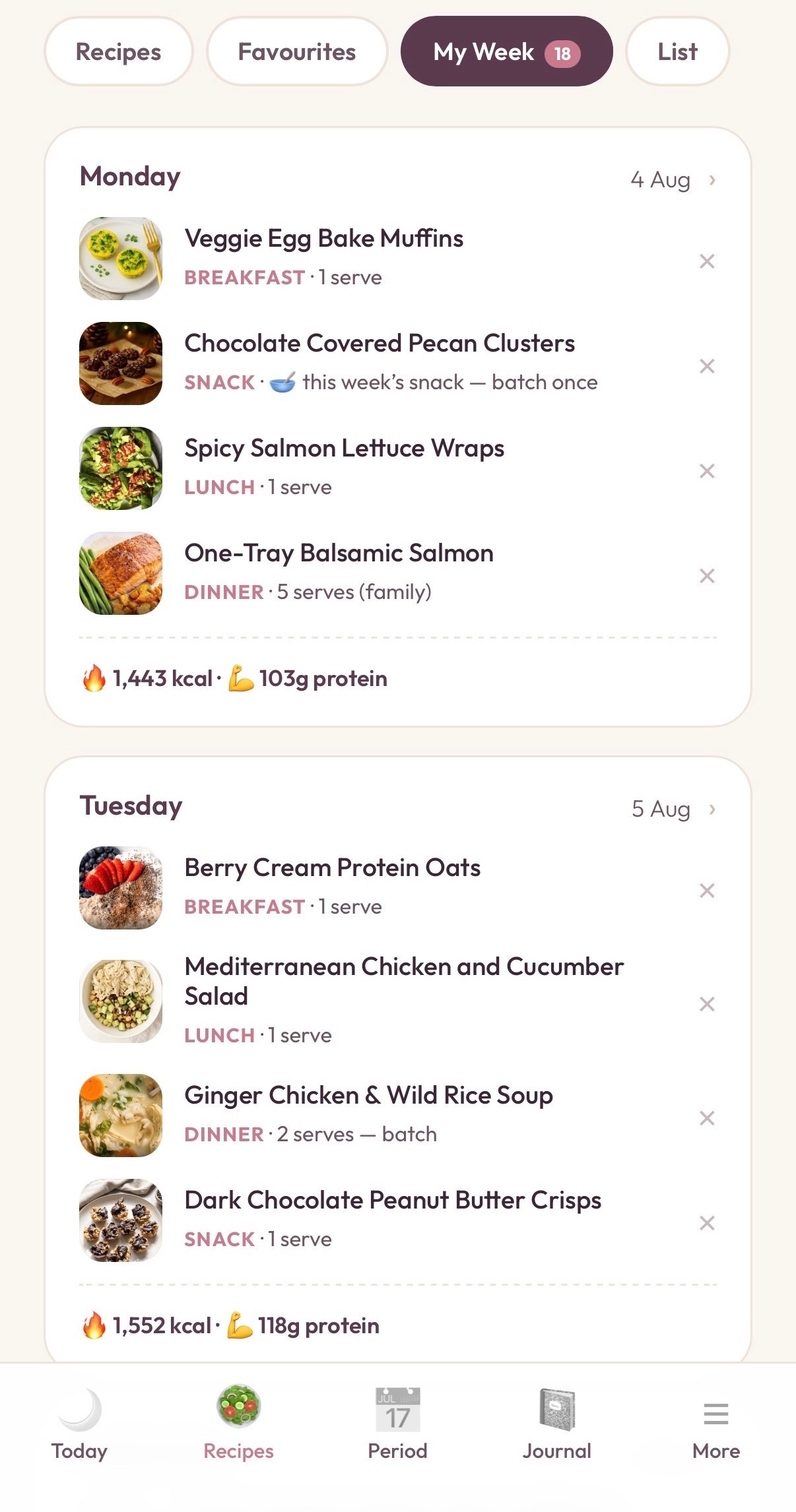
One sample day, start to finish
Real meals from the app, mapped across a normal day — this is what actually lands in your plan.
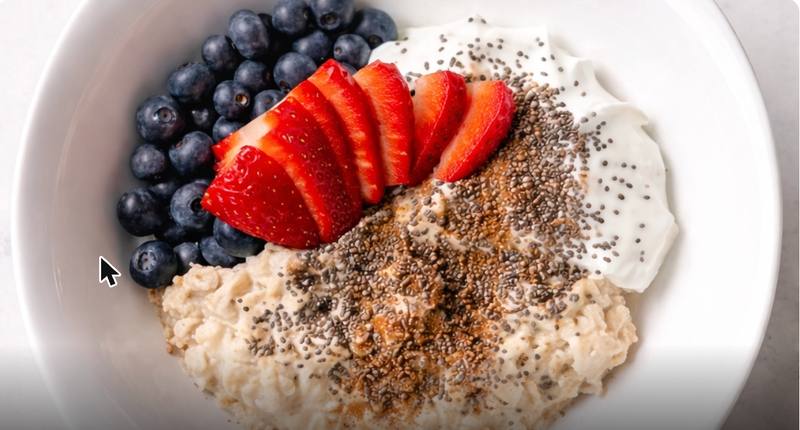


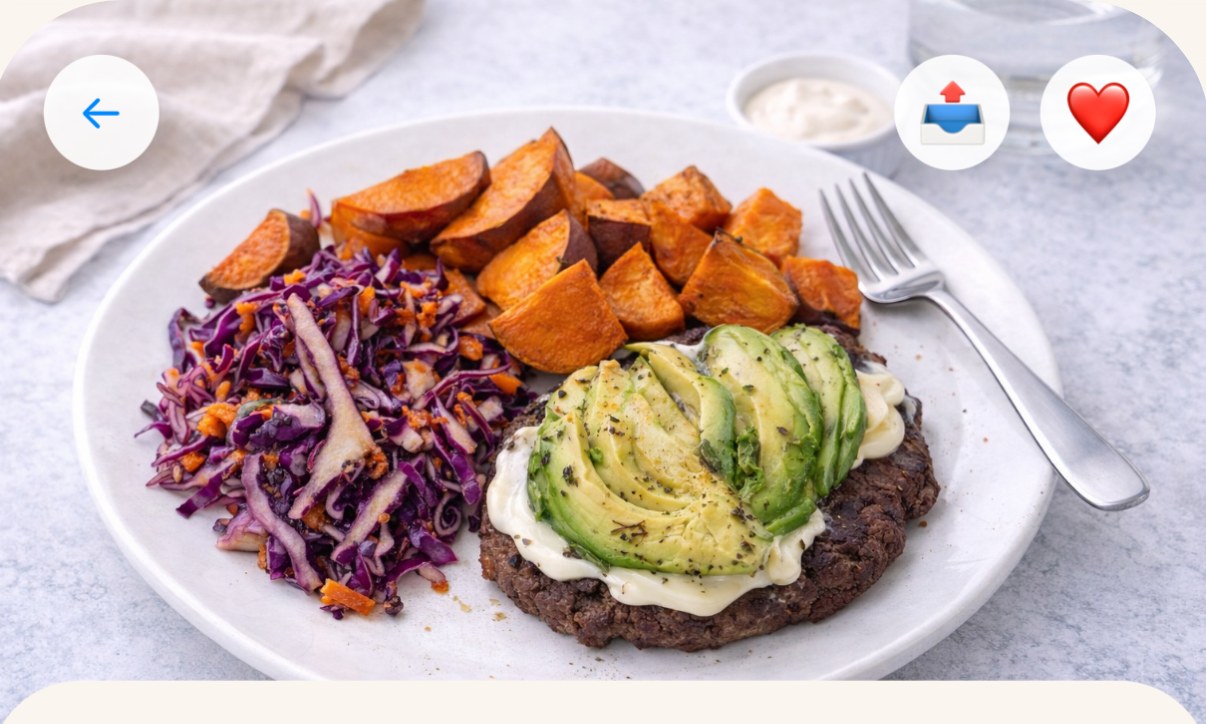
345 real recipes. Here's a few.
Every one gluten-free, anti-inflammatory, and built around a reason — not just a pretty photo.
35g of protein before 8am
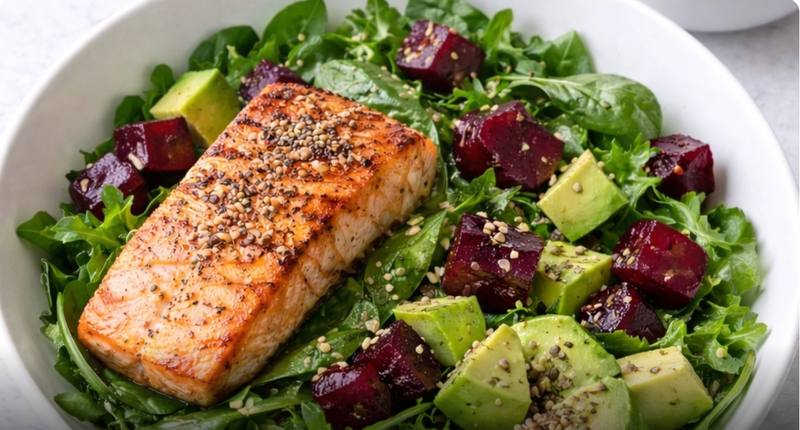
Iron-rich, built for absorption
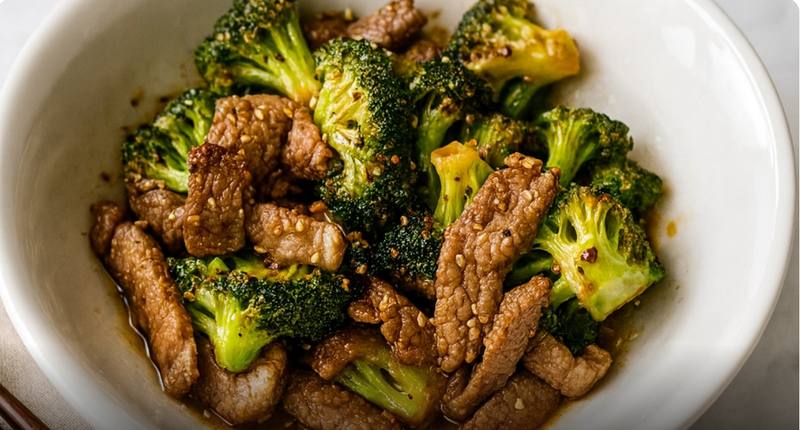
Haem iron for rebuild week, 12 minutes

19g fibre — the most in the library
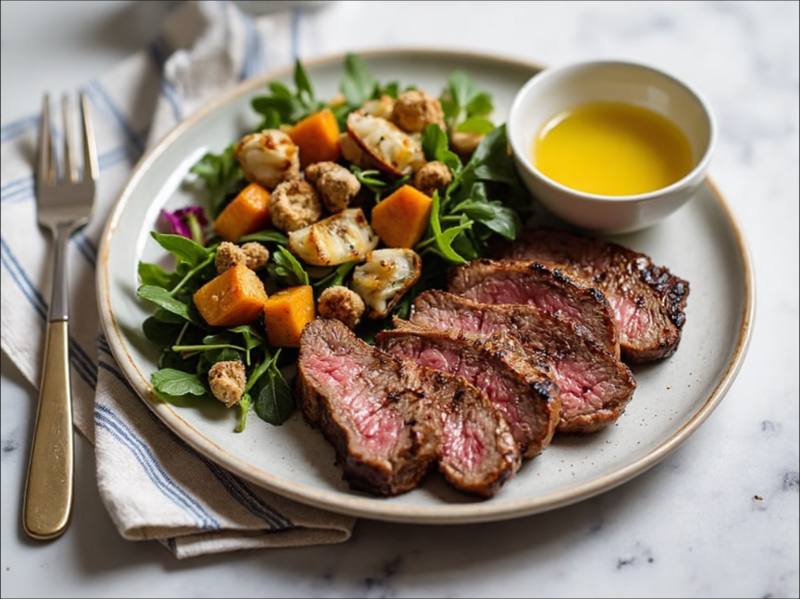
Iron-rich support for period week
27g protein, light and energising
37g protein, magnesium-rich, 5 min
27g protein, no bun, no bloat
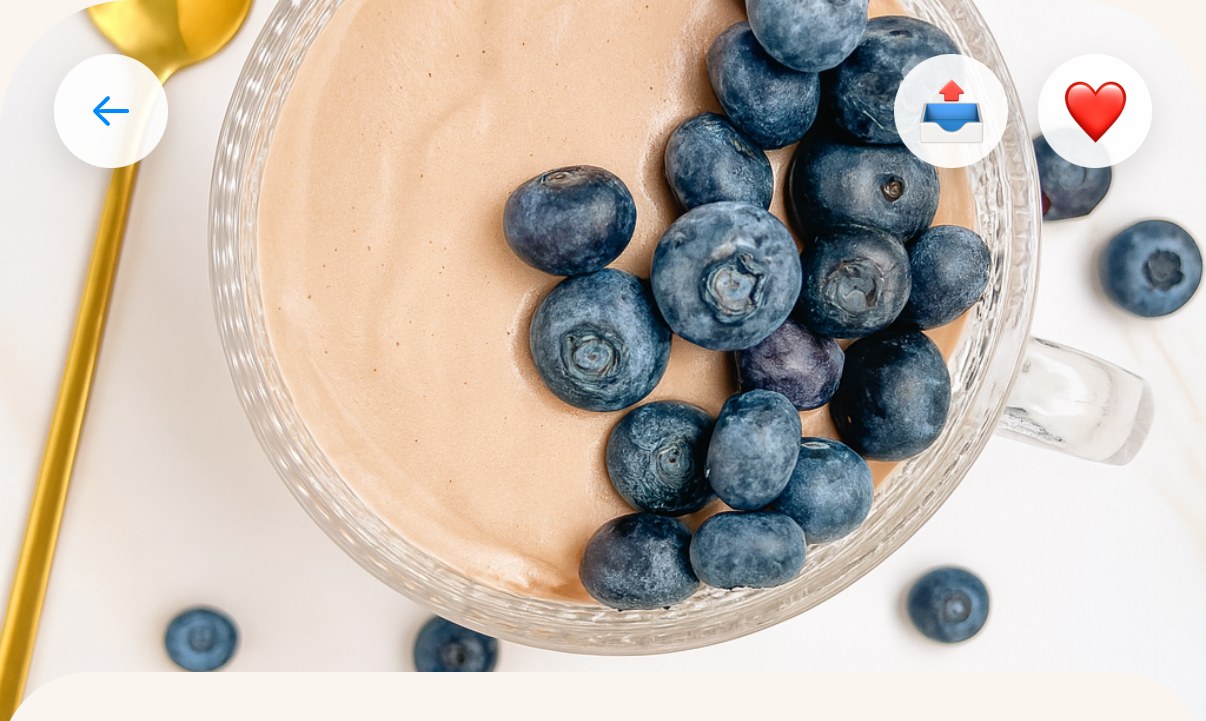
24g protein, plant-based, no cooking
We know what 4pm feels like.
The bloat that arrives by afternoon. The fatigue that heavy periods leave behind. The joint aches nobody warned you about. The brain fog, the mood swings, the nights you can't sleep. The right food can genuinely change how your days feel.
Gentle, low-trigger recipes with fennel and ginger — and a Flare Mode that hides nightshades when your body says no.
Iron-rich meals paired with vitamin C for absorption, timed for the week your body needs rebuilding most.
Omega-3s, turmeric and magnesium — the best-studied food-based anti-inflammatories, in meals you'll actually crave.
Low-GI, high-protein meals that keep insulin steady — and chocolatey magnesium-rich snacks that work with cravings.
Steady blood-sugar meals and magnesium-rich evening options that support mood and make it easier to actually switch off at night.
Protein-forward, bone- and joint-supportive meals with phytoestrogen-rich foods as your hormones change — because this isn't only about periods.
Built around your body, not a generic template
Tell us your stage and symptoms once. Synora does the rest, every single week.
Cycle-synced or Steady Mode
Regular or irregular cycle? Meals shift across your four phases. On the pill, or in peri/menopause? Steady Mode delivers consistent hormone-supporting nourishment with weekly focus themes.
Flare Mode
One tap on a rough day hides common trigger foods and surfaces warm, gentle, soothing meals. Because some days the win is just eating something kind.
One serve — or six
Recipes default to just-you portions. Feeding others? Scale from 2–6 serves in a tap, with honest kid-and-partner add-ons like GF pasta, mash or extra rice.
A shopping list written for you
Plan your week and the aisle-sorted shopping list writes itself — combining doubled-up ingredients and skipping what's already in your pantry.
The "why", every time
Every recipe explains what it's doing — why magnesium eases cramps, why DIM-rich greens support estrogen clearance, why low-GI matters for PMOS. You'll never follow food advice blindly again.
Batch-cook the good days
Slow-cooker and freezer-friendly meals marked clearly, so the days you feel strong can feed the days you don't.
Ask Synora
Stuck on what to eat, or whether an ingredient works for you? Ask Synora answers instantly — and Synora in the Supermarket scans what's in your trolley and tells you what fits your body.
Wearable sync
Connect your Oura ring to layer real sleep, HRV and temperature data over your symptom log — patterns you'd never catch by feel alone.
Practitioner-ready exports
One tap turns weeks of logged symptoms into a clean, organised report to bring straight to your next appointment — the evidence you shouldn't have to fight for.
A comprehensive period tracker
Phase-coloured calendar, period logging and predictions that learn from your own cycle history — built for irregular cycles too, not just textbook 28-day ones.
Trigger Detective
Logs your meals against your symptoms in the background and quietly surfaces the patterns — so you find out what actually sets off a flare, instead of guessing.
Bec, the Founder of Synora, experienced irregular periods from the very beginning at age 14. What followed was two decades of medical dismissal — from an early PMOS/PCOS diagnosis brushed off as "normal," to years of agonising pain repeatedly misdiagnosed and ignored. Finally came an Adenomyosis diagnosis, but with no real support. A growing list of systemic symptoms came next, met by a doctor who offered antidepressants instead of checking her hormones.
"I have PMOS and adenomyosis.
I built Synora because I wasn't receiving any support or helpful information and tired of generic health apps designed for bodies that work nothing like mine. This is your daily companion — a one-stop shop for your health. Your symptoms are real. You are not crazy. You are not making it up. We hear you, and we support you." — Bec, founder of Synora · Perth, Australia
Read Bec's full story
If you're suffering in silence, feeling unheard, fobbed off and completely defeated: your symptoms are real. You are not crazy. You are not making it up. We hear you, and we support you.
From the age of 14, my periods were always irregular. When I was 19, I went to a male doctor to ask if there was an underlying cause. He dismissed it as completely normal and simply warned me not to wear white, because when my period did arrive, it would "just come gushing out."
By 22, I knew I'd found the man I would spend the rest of my life with. Having babies soon became a priority, but I was deeply concerned about potential fertility issues because of my irregular periods. I went to a GP who referred me to a gynaecologist. That first specialist performed an invasive physical internal exam that left me feeling extremely uncomfortable and violated at such a young, vulnerable age.
Seeking a second opinion, I saw another gynaecologist who assured me an internal check was entirely unnecessary. He ordered an ultrasound, leading to my diagnosis of PMOS. Fortunately, at this point in my life my symptoms were relatively mild, and I'm profoundly grateful I was able to conceive two children without needing IVF.
But after my first baby at 25, my periods became very painful. After my second child at 27, the pain became completely unbearable — a sharp, stabbing pain alongside severe cramps and lower back pain that would drop me to my knees. For eight long years, multiple GPs repeatedly told me this level of agony was "normal."
The pain escalated until I couldn't get out of bed for days on end. My entire abdomen, from my pelvis up to my ribs, was in such severe pain I couldn't move, eat or function — and it came in waves lasting five to seven days at a time. Desperate for answers, I saw a wonderful naturopath who advised me to get an ultrasound to check on my PMOS. When I asked my GP for the referral, she flatly refused and told me I didn't need to check on PMOS. My naturopath was stunned by the GP's refusal and urged me to advocate for myself: go back and tell her, "It is my body, and I want an ultrasound."
The GP begrudgingly handed over the referral, but flippantly remarked, "You have endometriosis. Read this website and come back if you have any questions." I had the scan, and the technician told me everything looked completely fine. So I kept living with the excruciating, full-abdominal pain that flared unpredictably and lingered for up to seven days at a time.
Months later, after extensive research, I found an incredible GP. During our appointment, she asked why I'd never followed up on my previous scan results. I explained that no one had ever contacted me to say I needed to come in, and that the technician had told me everything was clear. My new GP delivered shocking news: the ultrasound had actually revealed a 6cm cyst on my ovary with a 4.5cm internal mass that carried a risk of cancer. She urgently referred me to a gynaecologist, and I underwent surgery to remove the cyst and mass — thankfully not cancerous — along with my ovary and fallopian tube. The unbearable pain I'd been enduring wasn't endometriosis at all: it was ovarian torsion caused by the mass, a critical condition the previous GP had casually brushed aside. The surgeon confirmed there was no sign of endometriosis. I was furious that a doctor had misdiagnosed, dismissed and abandoned me while I was dealing with ovarian torsion and a potential cancer risk.
The surgery relieved the severe full-abdominal pain, but I suddenly started having regular periods for the first time — and they were still agonising, with heavy bleeding and large clots. Six months post-surgery, my supportive GP referred me for a specialised ultrasound, and I finally got an accurate diagnosis: Adenomyosis.
Even with an official diagnosis, I wasn't given any real guidance on what the condition was or how to support it. I was told there was no cure and that my only option was a hysterectomy. That wasn't a path I was ready to take, so I lived in pain for several more years while doing my own extensive research.
Realising through my own research that adenomyosis is a chronic inflammatory condition, I committed to a strict gluten-free, sugar-free, anti-inflammatory lifestyle, with targeted nutrition and intentional movement — Pilates, walking, jogging, strength training and mindfulness — that I adjusted depending on my cycle, energy and how my body felt. It helped me manage the pain.
In more recent years, my symptoms evolved. I began battling widespread joint pain, headaches, and lower back pain so severe I couldn't move. I struggled with heavy brain fog, Raynaud's disease (which may or may not be related), and bone-deep exhaustion that lingered even after nine solid hours of sleep. I dealt with constant bloating, a puffy face, changes in my bowel movements, and an uncomfortable swollen-throat sensation. On top of that, I've always had a very low resting heart rate of 45bpm, have had to work relentlessly just to maintain my weight, and find it nearly impossible to lose any. When I brought this growing list of systemic symptoms to a doctor, his solution was to offer me antidepressants. He didn't even check my hormones — even though I was about to turn 40, starting perimenopause, and down to one ovary.
That medical gaslighting, dismissiveness and total lack of care and education is the heart and soul behind why I built Synora — a dedicated companion for women navigating conditions like endometriosis, adenomyosis, PMOS, perimenopause and menopause. Synora is designed to adapt entirely to you, your specific conditions and your daily symptoms, through evidence-based, holistic support:
- Comprehensive cycle & symptom tracking — detailed daily logging built specifically around chronic pelvic, metabolic and hormonal conditions.
- Wearable integration — syncs with devices like the Oura ring to capture objective physiological data alongside your logged symptoms.
- Practitioner-ready health exports — turns your logged data into organised reports, giving you real evidence of what your body is experiencing to take to your next appointment.
- Intelligent nutrition support — built-in AI tools like Ask Synora and Synora in the Supermarket take the guesswork out of anti-inflammatory living, helping you plan meals in minutes and building grocery lists packed with foods that support your body.
You should never have to fight this hard just to be heard, believed, and properly investigated and treated. Synora is here to ensure you never have to navigate it alone again. 💖
— Bec, founder of Synora · Perth, AustraliaStart with 7 days on us
One plan, everything unlocked. Try it free for a week — card required to start, but cancel any time in those 7 days and you won't be charged a cent.
Synora+
- 345 recipes unlocked
- New recipes added regularly
- Planner, Flare Mode & smart shopping lists
- Ask Synora + Synora in the Supermarket
- Oura wearable sync
- Practitioner-ready health exports
- Cancel anytime, keep your data
Fair questions, honest answers
Is every recipe really gluten-free?
Yes — every single one, no exceptions and no "just check the label" fine print. Anti-inflammatory ingredients lead every recipe.
I don't get a period — is this still for me?
Absolutely. Steady Mode is built for women on the pill or hormonal IUD, with irregular cycles, or in perimenopause and menopause. No cycle tracking required — ever.
Will this cure my endo / adeno / PMOS?
No, and we'll never claim it will. Synora is supportive nutrition — food choices that many women find genuinely ease symptoms like bloating, cramps and energy crashes. Keep working with your doctor or dietitian; bring your Synora plan along.
I cook for a family. Do I need to make separate meals?
No — that's the point. Scale any recipe to 2–6 serves in one tap, and every recipe includes add-ons that keep kids and partners happy without compromising your plate.
Can Synora help me manage my weight?
For many women, yes — and here's the honest version of why. PMOS and endo make weight harder to shift: insulin resistance stores fat more readily, and inflammation adds fatigue that makes everything harder. Synora's meals are built protein-forward and low-GI precisely because that combination keeps you fuller for longer, steadies blood sugar and protects muscle — the foundations of healthy, sustainable weight management. What we'll never do is crash diets, 1,200-calorie plans or shame. Those backfire hardest on bodies like ours.
What happens after my free trial?
Your trial runs 7 days, completely free. If you stay, it's a single $19.99/month plan with everything unlocked — or cancel any time before day 7 and you won't be charged, no hard feelings.